How to Read the Back of a Japanese Medicine Box
Drug classes, expiry dates, ingredients, and warnings — explained in plain English.
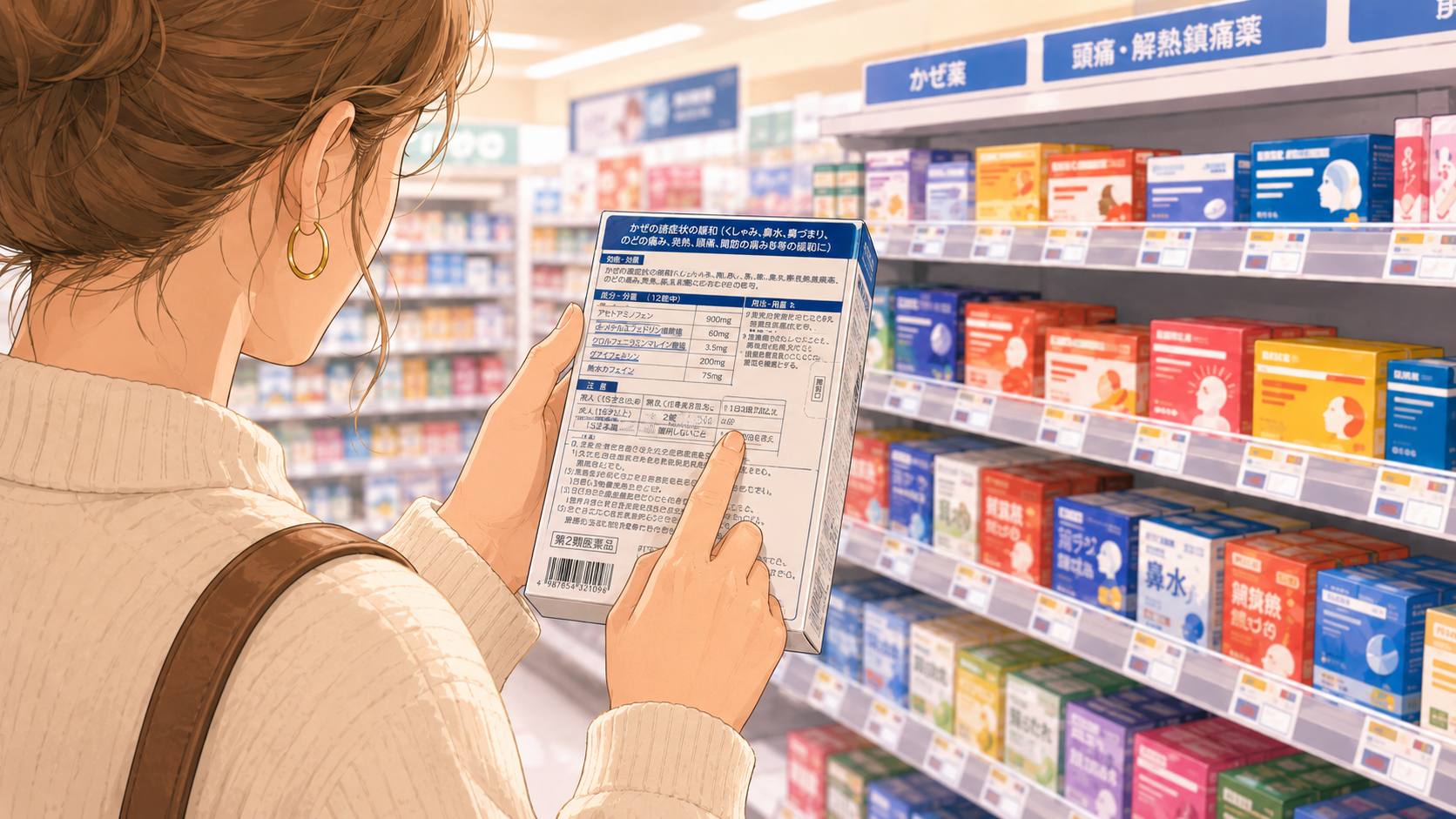
The back of a Japanese medicine box follows a consistent layout. Once you know what the key labels mean, you can find the information you need in under a minute — even without reading Japanese.
Here are the four sections worth knowing: the drug class label, the expiry date, the ingredients list, and the warnings.
1. The Drug Class Label (第〇類医薬品)
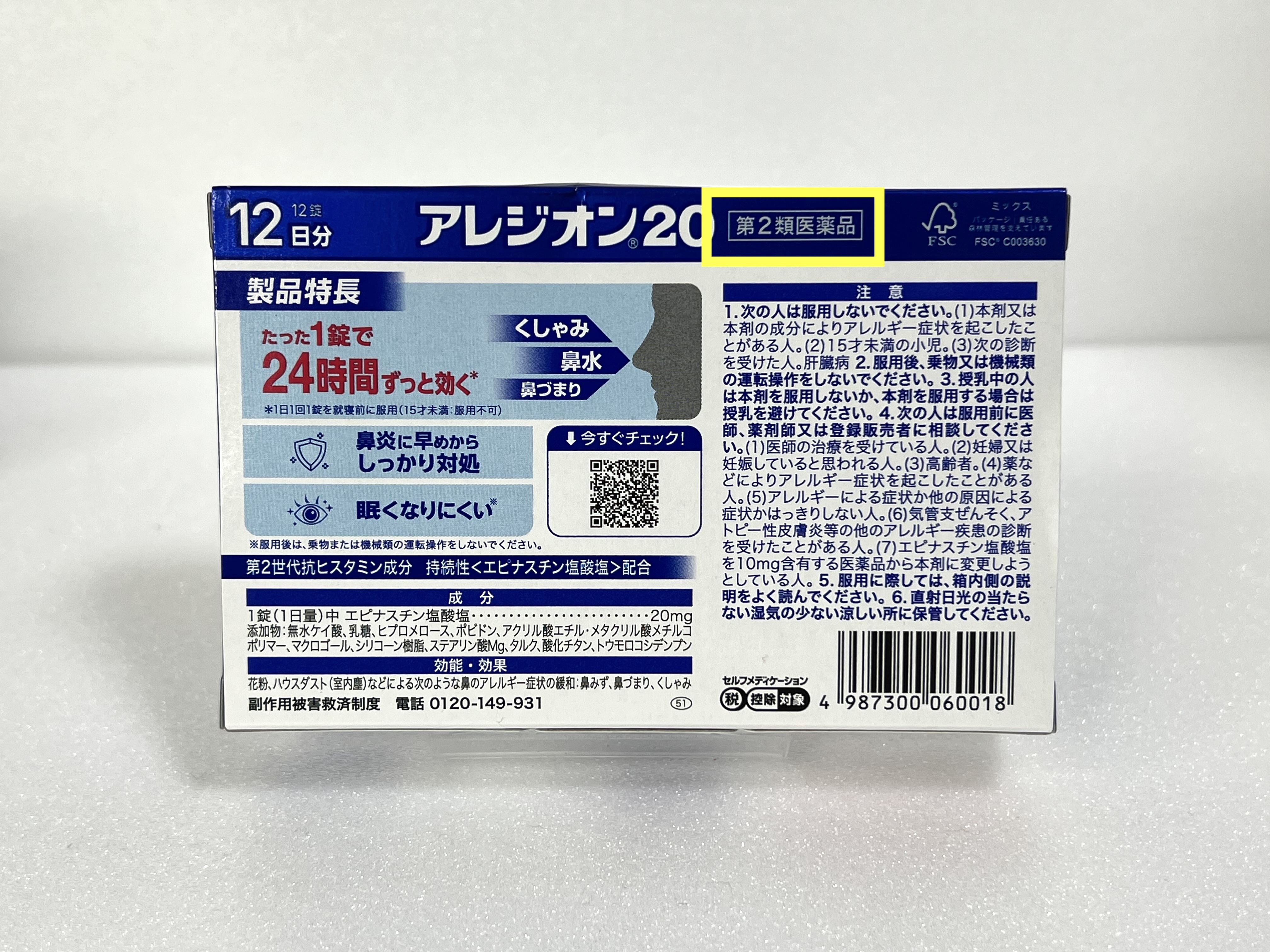
Every medicine sold in Japan displays its drug class on the packaging — usually on the front or side panel. The label reads 第〇類医薬品, where 〇 is the class number.
Class 1 第1類
A pharmacist must be present and will confirm you've read the product information before completing the sale.
Class 2 / Designated Class 2 第2類/指定第2類
Most everyday medicines — cold tablets, allergy pills, pain relievers. No mandatory consultation required.
Class 3 第3類
Vitamins and mild supplements. The most straightforward to buy.
For the full breakdown — including why a pharmacist sometimes stops you at the register — read our guide to Japan's drug class system.
2. How to Find the Expiry Date (使用期限)
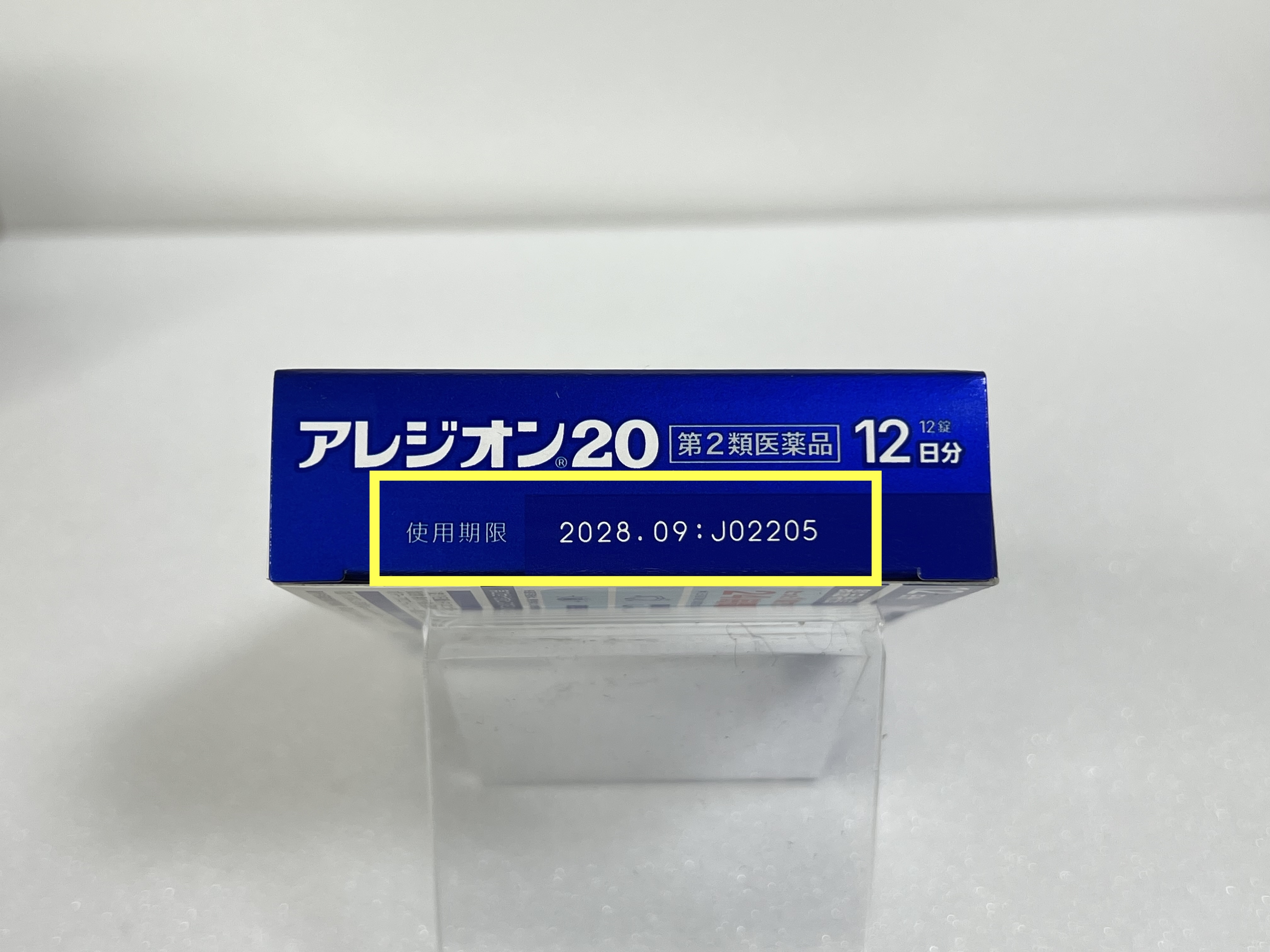
The expiry date is labeled 使用期限 (shiyō kigen) and is usually printed on the side or bottom of the box. The format is YYYY.MM — so 2028.09 means the medicine expires in September 2028.
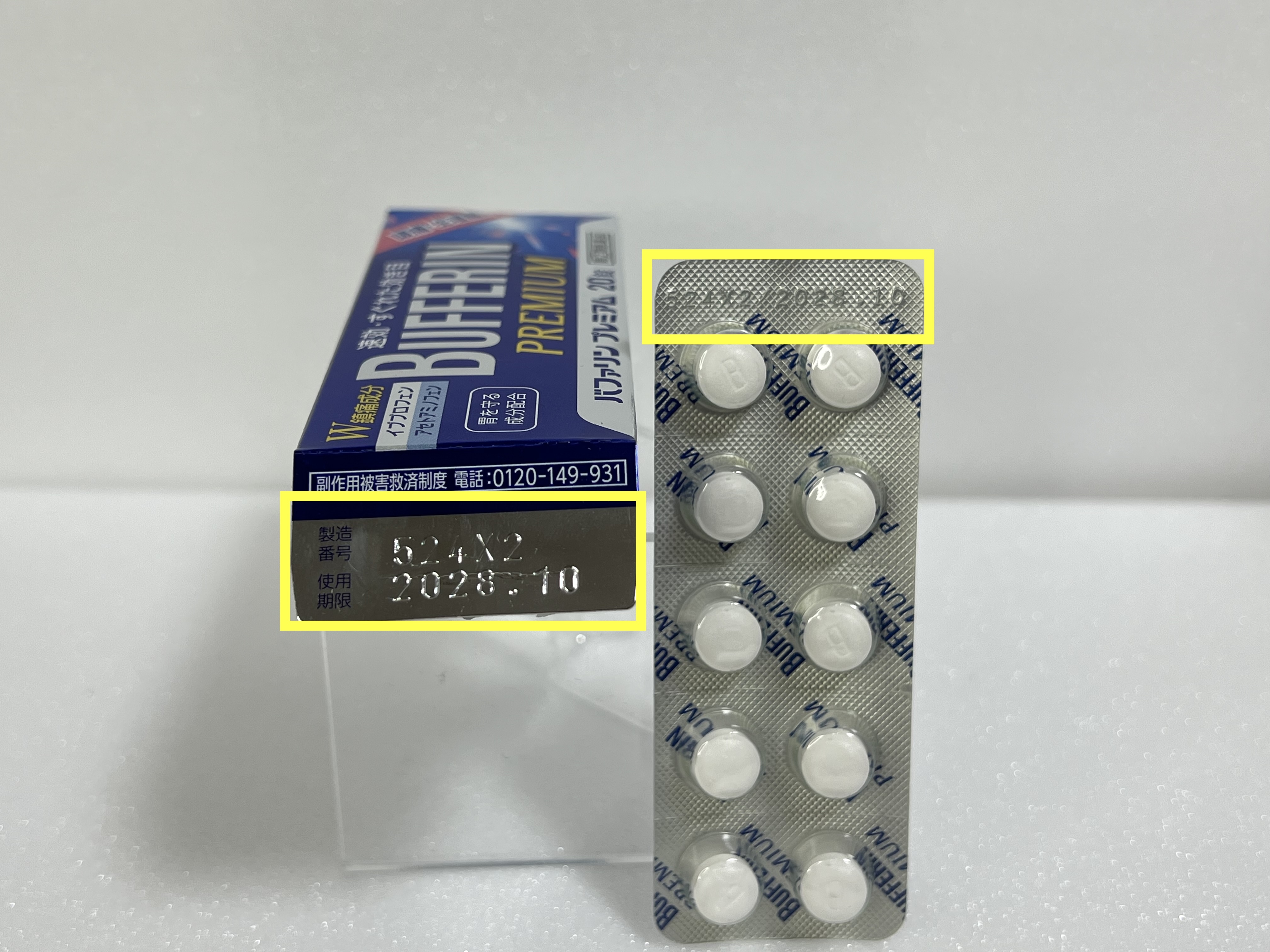
💡 Check the blister sheet too
Some medicines also print the expiry date directly on the PTP blister sheet — the foil packaging the tablets come in. Not all medicines do this, but if you've already thrown away the box, it's worth checking.
3. Reading the Ingredients List (成分・分量)
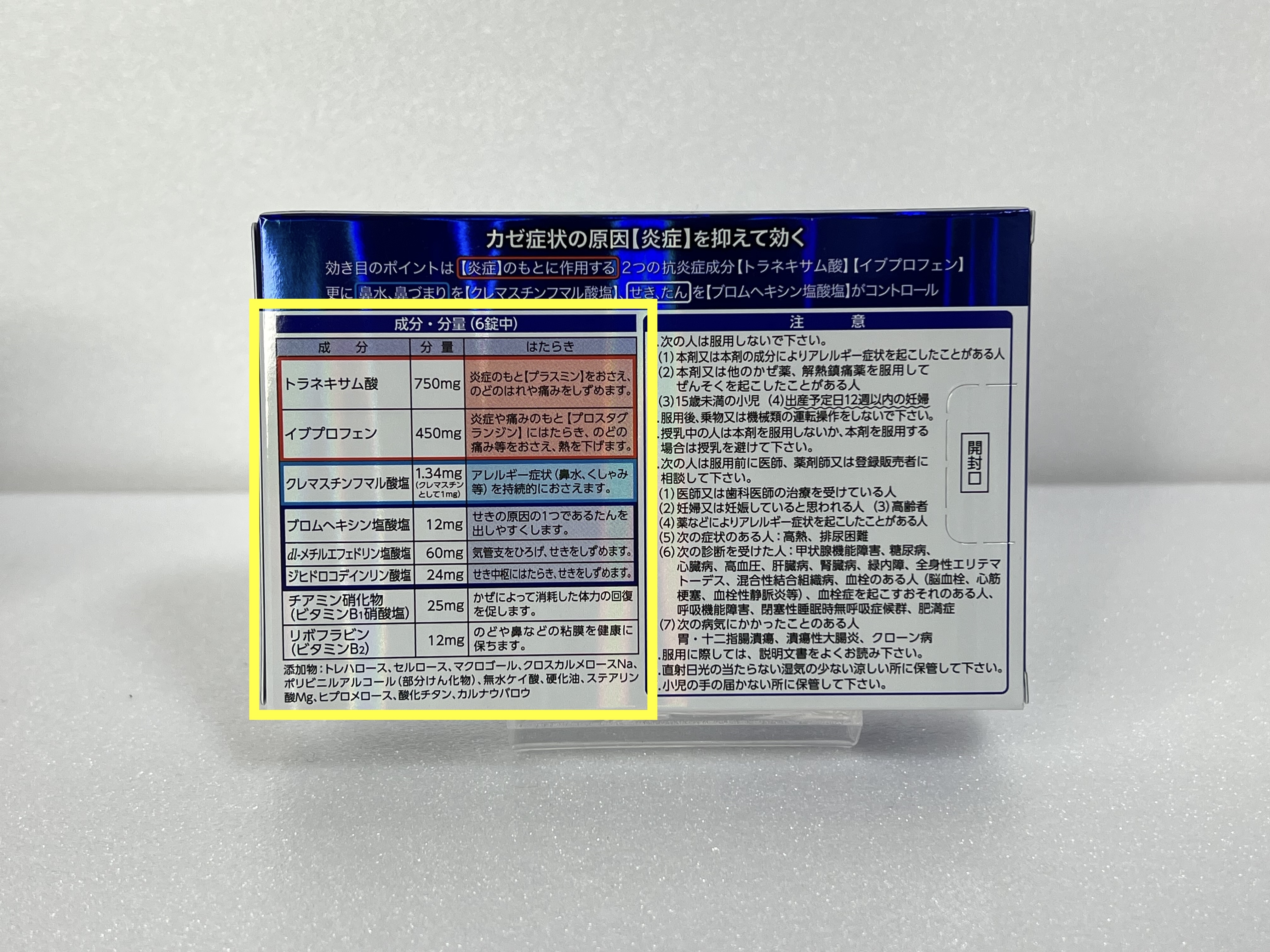
The ingredients section is labeled 成分・分量 and is laid out as a table. It's divided into two parts:
Active ingredients (有効成分)
Listed by name and amount in mg. These are the compounds that treat your symptoms — for example, ibuprofen, acetaminophen, or cetirizine.
Inactive ingredients (添加物)
Fillers, binders, and coatings. Relevant if you have allergies to specific excipients.
Every product on OTC Guide Japan includes a full English translation of its ingredients and dosage. Search by medicine name to look one up.
4. Understanding the Warnings Section (注意)
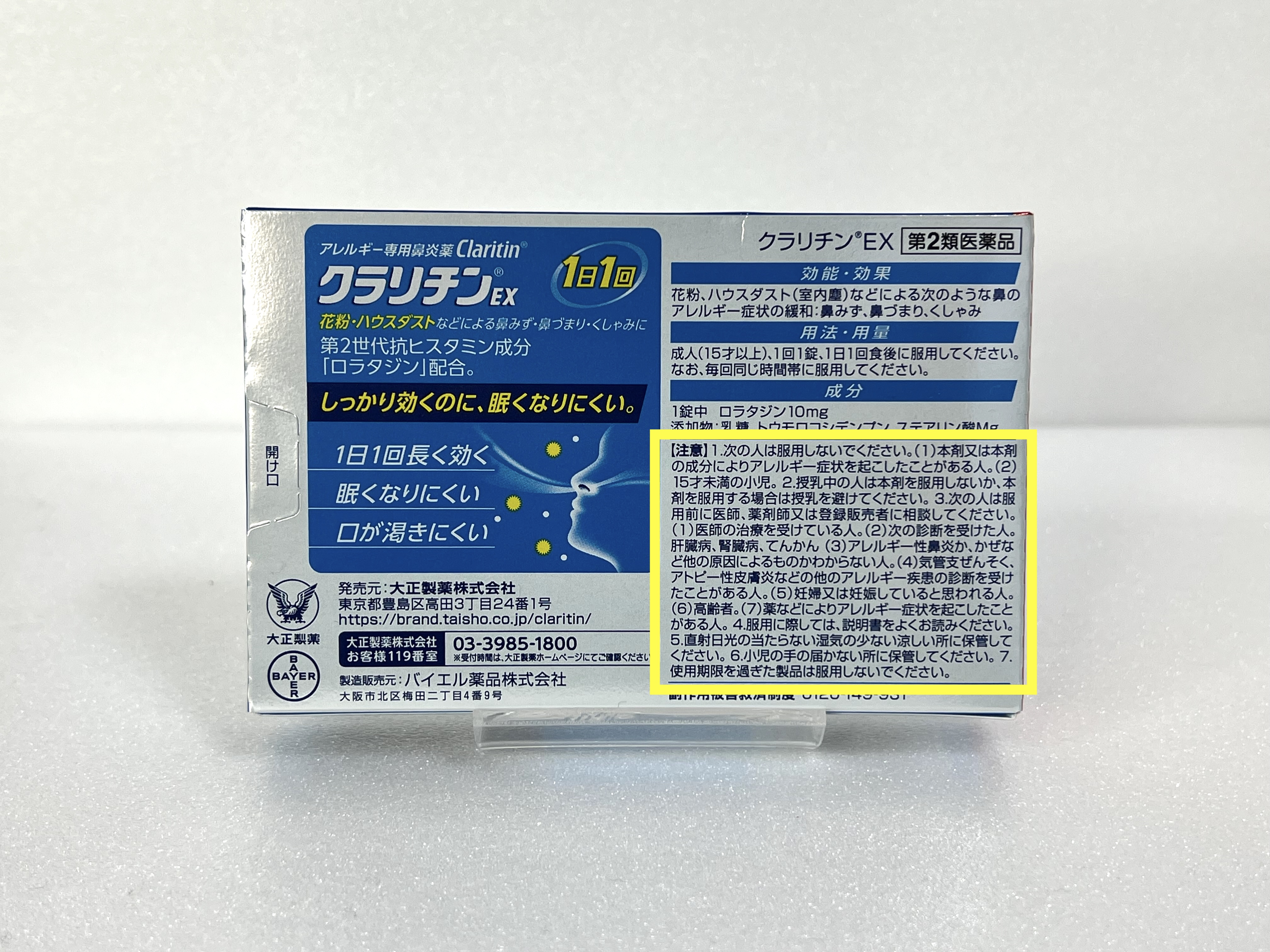
The warnings section is labeled 注意 and is typically the largest section on the back of the box. Two subsections are the most important to check:
してはいけないこと — Do not use if...
Hard contraindications. If any of these apply to you, do not take this medicine — regardless of your symptoms. Common examples include specific drug allergies, asthma, kidney or liver disease, and pregnancy.
相談すること — Consult before use if...
Situations where you should check with a pharmacist or doctor first — such as being pregnant, elderly, or currently taking other medications.
The complete "do not use" and "consult before use" lists for every medicine on this site are translated into English. Find your medicine on OTC Guide Japan to check before you buy.
Frequently Asked Questions
What does 使用期限 mean on a Japanese medicine box?
使用期限 (shiyō kigen) means "expiry date." It is printed in YYYY.MM format — for example, 2028.09 means the medicine expires in September 2028.
What does 第2類医薬品 mean?
第2類医薬品 means "Class 2 OTC medicine." This category covers most everyday medicines — cold tablets, allergy pills, and pain relievers. No pharmacist consultation is required to purchase them.
What is 成分・分量 on a medicine box?
成分・分量 means "ingredients and amounts." It lists the active ingredients (有効成分) by name and dosage in mg, followed by inactive ingredients (添加物) such as fillers and binders.
What does してはいけないこと mean?
してはいけないこと means "things you must not do" — in other words, hard contraindications. If any of the listed conditions apply to you, do not take the medicine. This is different from 相談すること, which lists situations where you should consult a pharmacist or doctor before use.
Where can I find English information on Japanese OTC medicines?
OTC Guide Japan provides English translations of ingredients, dosage, and warnings for medicines available at Japanese drugstores. Search by medicine name or category.
If you're unsure whether a medicine is right for you, speak with a pharmacist (薬剤師) or registered salesperson (登録販売者) at the drugstore. They can help guide you to the right product.